The ARK Incubator
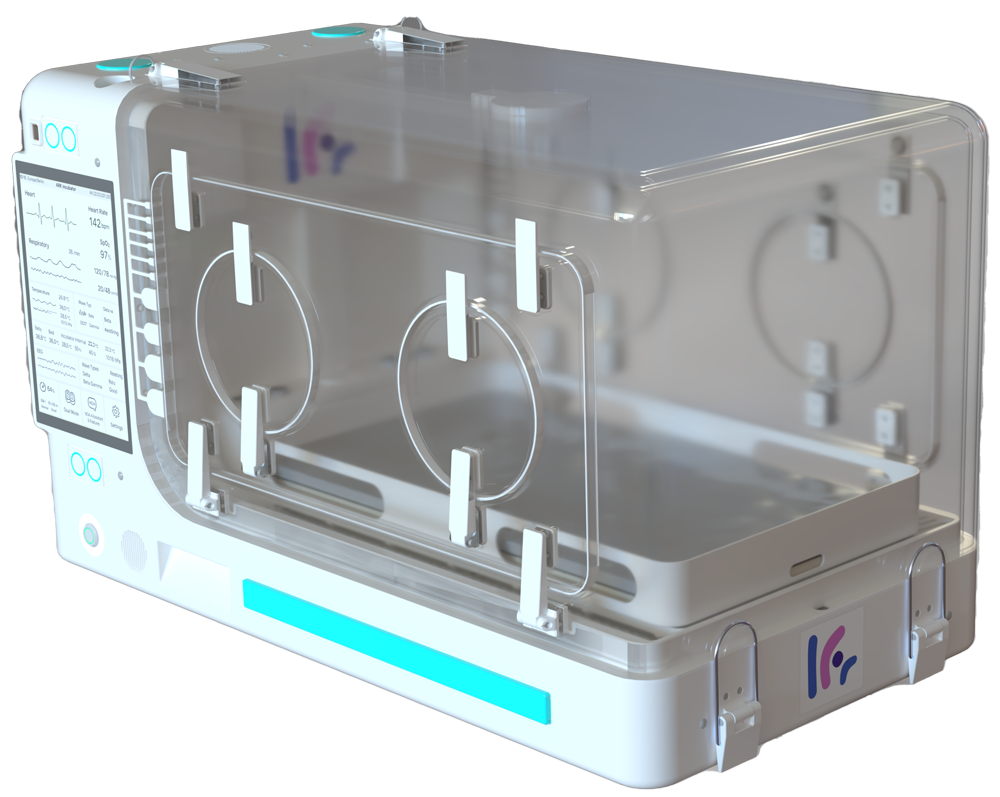
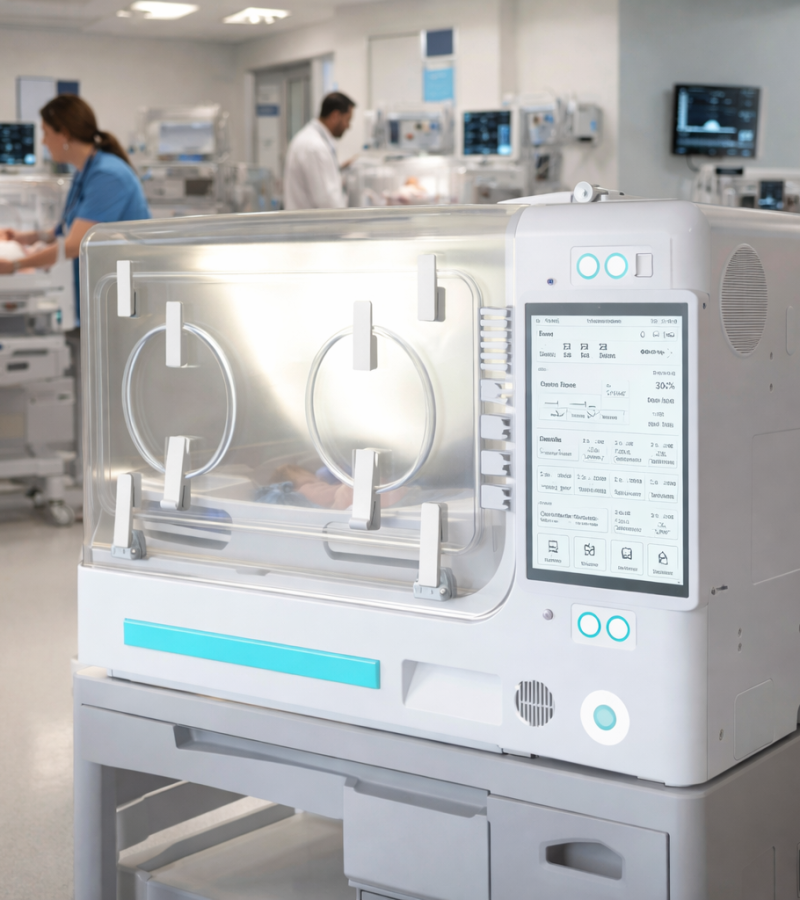
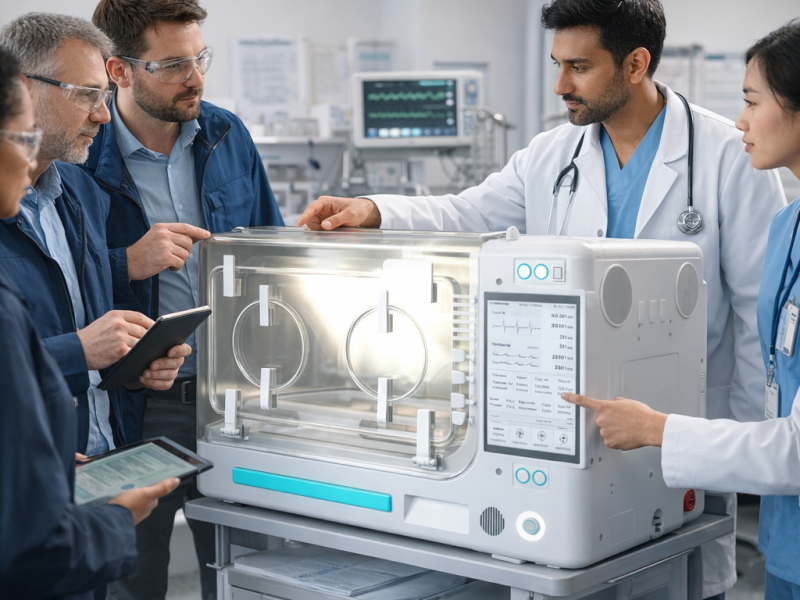
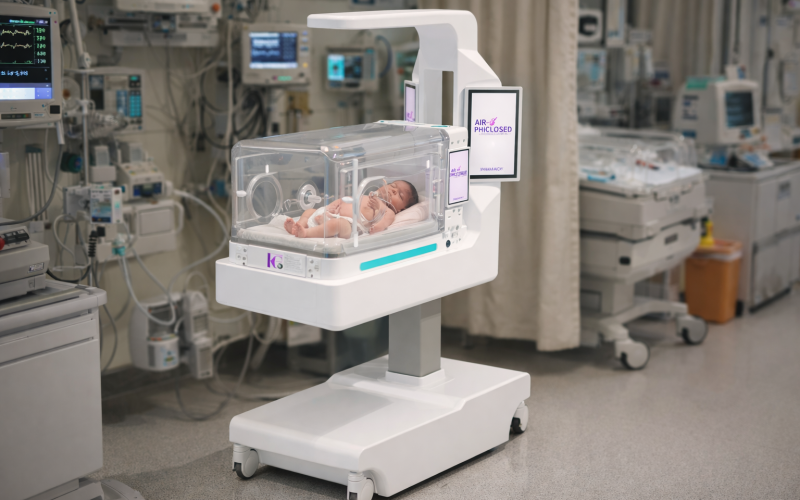
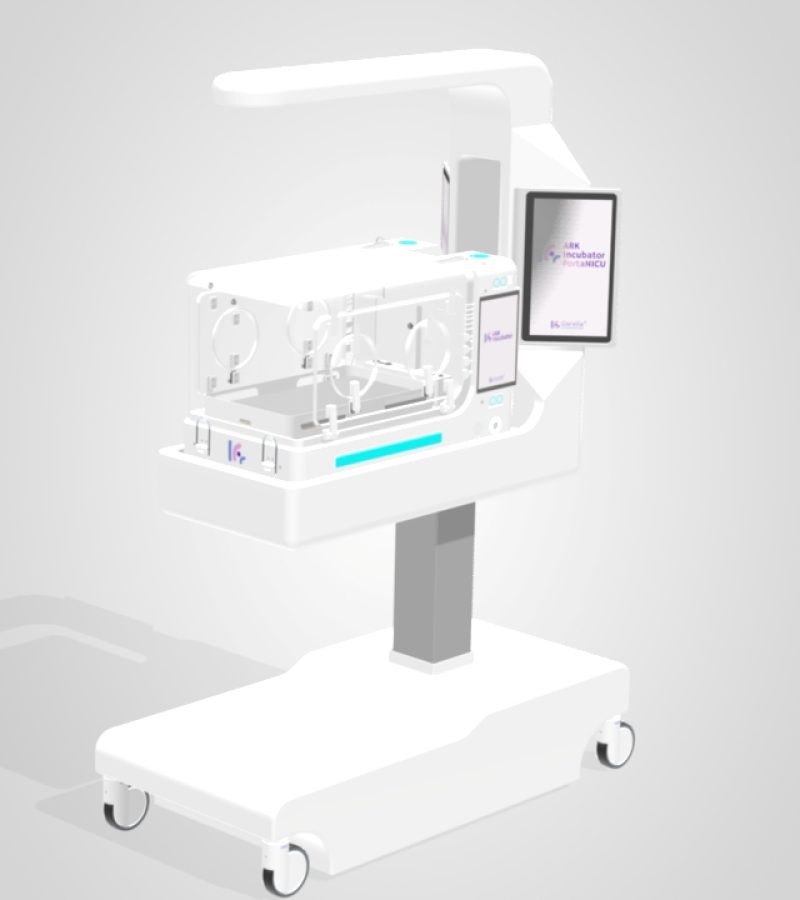
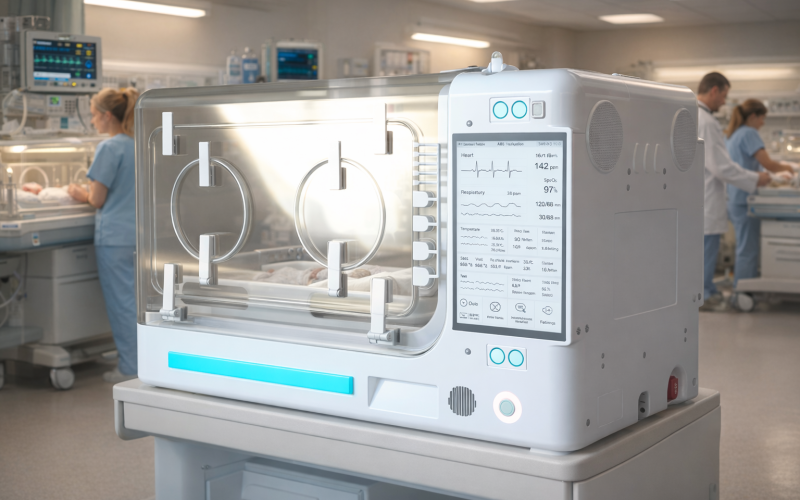
The ARK Incubator is engineered as an all-in-one, portable, edge-native AI neonatal incubator designed to bring Level II NICU capabilities to more care settings.
Telehealth and Records
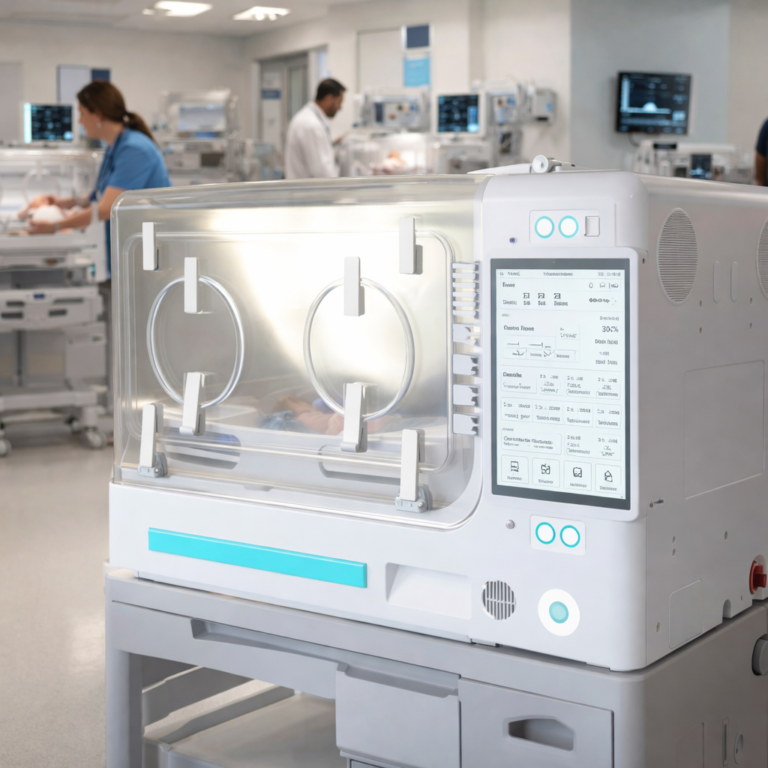
The ARK Incubator includes a worldwide telehealth system designed to enable remote specialist consultation, along with automated, standardized neonatal medical record logging directly from the device.
NOA: Edge Native Medical AI
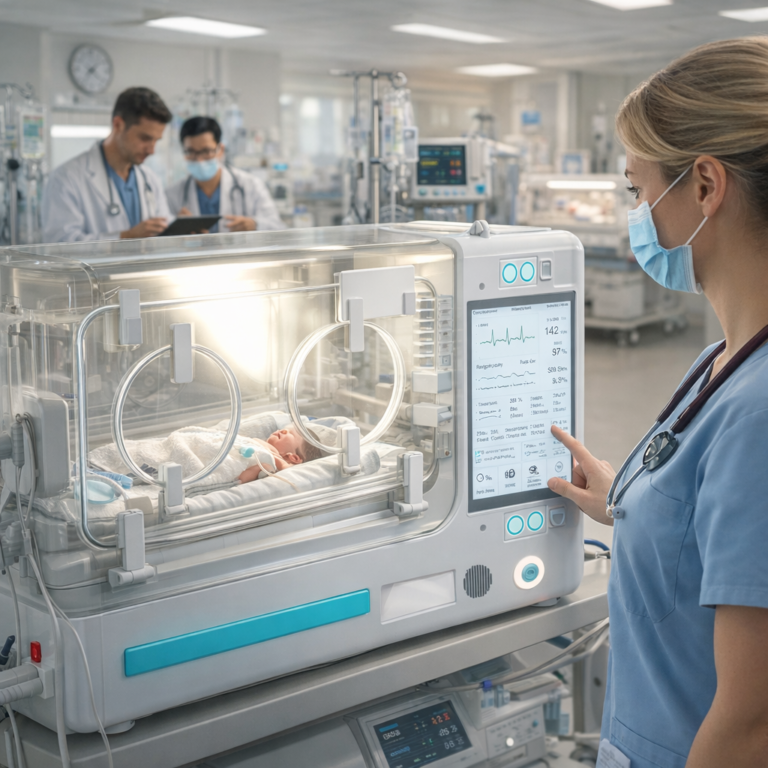
NOA is Corvita Biomedical’s proprietary computer vision and neural network system designed to support on device health predictions. Unlike traditional Software as a Medical Device approaches that depend on pulling data from multiple external monitors and sending it to remote servers, NOA is designed to process key data directly on the device and support automated data transfer to hospital EMR EHR systems.
What It Does
Traditional NICU expansion is hard to scale because adding one bed typically requires twelve or more separate devices, dedicated infrastructure, and specialized staffing. The ARK Incubator is built to solve that operational bottleneck by consolidating critical neonatal care functions into a single integrated platform, reducing equipment sprawl and enabling more consistent care delivery across hospital and transport workflows.
Hardware Integration
The ARK Incubator integrates advanced thermal and humidity management for precise environmental control, a 24 hour smart battery system with backup for infrastructure independence, wireless NICU health monitoring built in to reduce reliance on separate monitors, a built in hybrid ventilator and CPAP system for respiratory support, built in phototherapy for hyperbilirubinemia support, and continuous automated weight and growth tracking.
How NOA Works
NOA combines three inputs to support decision making:
Camera based assessment to capture visual patterns relevant to neonatal health
Clinical context such as postnatal age, gestational age, and risk scoring
Integrated vital sensing including oxygen saturation, heart signals, and related physiologic measures
By combining these signals, NOA is designed to reduce single input limitations and support more consistent monitoring across different patient presentations.
Multimodal Prediction Architecture
NOA’s hyperbilirubinemia assessment model integrates data from three primary sources. 270 degree computer vision captures colorimetry with base pigment calibration, Kramer zone and sclera analysis, RGB colorimetric nodes, and thermal imaging patterns. Clinical modifiers incorporate postnatal age, gestational age, ABE score, BIND score, and kernicterus risk assessment. Integrated vital sensors provide EEG aEEG data, cerebral and peripheral SpO2, forehead and sternum transcutaneous bilirubin measurements, ECG, and heart rate variability analysis. This multimodal approach is designed to reduce single modality limitations that can contribute to diagnostic gaps across different skin tones.
Edge Native Architecture Advantage
Because NOA is designed to run on the device, it can reduce dependency on complex network integration and external computing infrastructure. This supports real time analysis and enables the platform to adapt monitoring and support functions based on continuous patient data.
Operational Benefits
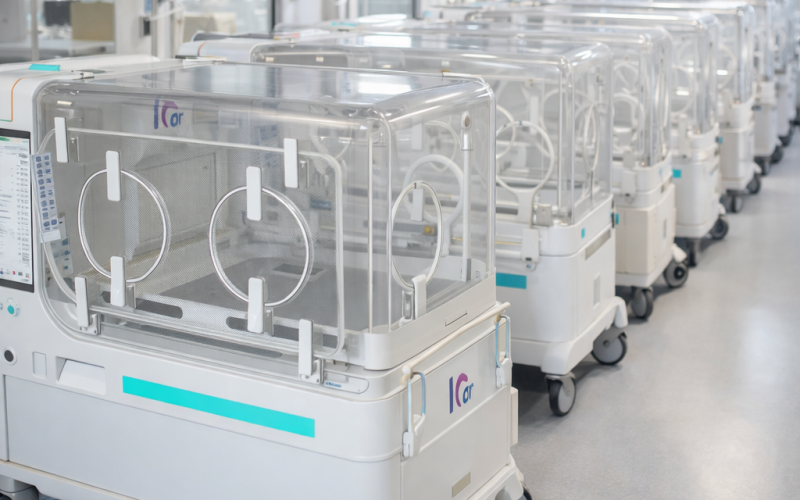
The ARK is designed to help more than two babies be treated under the same infrastructure that previously supported one. In traditional NICUs, adding one bed typically requires 12 or more separate devices, plus the footprint, power, and setup needed to run them. By consolidating these core functions into a single integrated platform, the ARK is designed to allow the same physical footprint and power infrastructure to support multiple units.
The platform is designed to automate up to 80% of routine monitoring and documentation workflows, freeing clinical staff to focus on direct patient care. It is also designed to create a common platform between hospitals and transport teams to reduce handoff inefficiencies that compromise continuity of care. Most critically, the ARK is infrastructure independent, operating without reliance on stable power grids, medical gas supply, or specialized facility infrastructure, making advanced neonatal care capabilities more deployable across care settings.
Deployment Scenarios
Deployment Scenarios
Supports NICU capacity extension, overflow support, and standardized monitoring workflows.
Transport Teams
Enables continuity of care during neonatal transport by maintaining monitoring and documentation from point to point.
Remote and Humanitarian Settings
Designed for environments with limited infrastructure where conventional NICU equipment cannot operate reliably, supporting rapid deployment when specialized facilities are not available.